









Introduction
The Institute for Buddhist Counseling & Chaplaincy (IBCC) is happy to announce the 2026 dates for “The Bodhisattva Path of Care: Compassion & Skillful means in Buddhist Counseling,” Cohort 2.
The 16-week online training and experiential mentorship program integrates Buddhist psychological perspectives, systems-focused western counseling skills, the neurobiology of trauma and reparative relational connection, and mindfulness practice, and self-stewardship for caregivers into a cohesive therapeutic framework designed to support counselors and other caregivers (mental health advocates, social workers, monastics, chaplains, medical professionals, field workers, nonprofit and volunteer workers, and educators) who work with those experiencing distress and trauma.
Once you’ve read the program description, please mail bodhisattvapoc@gmail.com with any administrative or program questions.
Program Overview
Weekly 2.5 hour class meetings include:
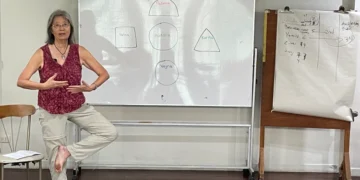
- Psycho-educational by BPOC Faculty, whose talks will be supported by slides, diagrams, contemplative practice, skills exercises, and PDF’s of class materials.
- Individual and group experiential practice in Buddhist psychological perspectives, counseling skills, contemplative mindfulness practice, case consultation, and practical role plays. There will also be an opportunity for Q&A and a biobreak.
- Faculty and cohort community-building to support interactive education and skills practice through dyadic breakout groups, weekly peer groups, an internship program, an ongoing post-program mentorship and support program, and an opportunity to become Teaching Assistants for future BPOC Cohorts.
Program Dates, Time, & Language: 16 Weeks, Plus An Opening Orientation Workshop
- This is an English-speaking/conversant online training, mentorship, and counseling program for counselors and other psycho-spiritual caregivers based in South Asia and Southeast Asia.
- The 2026 program has a maximum capacity for 18 attendees.
- The 16-week online training and mentorship program will meet weekly via Zoom on Mondays at the following times throughout Asia at the following times.
Class Meeting Times: Mondays @
8:00-10:30 am (CDT, US Central Time)
9:00-11:30 (EDT, US Eastern Time)
6:30-9:00 pm (IST, India)
8:00-10:30 pm (ICT, Bangkok)
9:00-11:30 pm (MYT, Malaysia)
BPOC Program Dates
March 30: Orientation Workshop on March 30, from 7:30 – 9:30 AM Central Time for syllabus review, program guidelines, faculty and teaching assistant introductions, and cohort connections. Attendance is required for enrolled students.
April 6: Class begins
- April – May: Weekly class (8 weeks)
- June: Counseling Practicum for cohort, no weekly class but one faculty-led workshop will be held
- July – August: Weekly class resumes (8 weeks, concurrent with supervised internship for cohort)
- September: Certification Ceremony
August 24: Final class
Who is Eligible to Participate
The online training and mentorship program is intended and designed for counselors, mental health advocates, social workers, and lay and monastic chaplains who who counsel students, individuals, families, and communities experiencing distress, trauma, and self-harming ideation/behaviors, and work in counseling centers, communities centers, field work, hospital work, education, and monastic/spiritual communities. Applicants are not required to be practicing Buddhists but the program will best serve those who perceive the value of integrating foundational Buddhist perspectives with counseling skills and mindfulness practice to support the mental health, resilience, and emotional stabilization and well-being for the populations they support.
As IBCC’s focus is to support underserved populations in South Asia and Southeast Asia, participants are limited to persons orginating from and living in these regions. While certain exemptions may be allowed, if you reside in Europe, North America, or East Asia, we encourage you to seek out the many Buddhist training programs in these regions.
Purpose and Design
The online training and mentorship program is designed to provide caregivers with discernment and skillful means through a therapeutic orientation, assessment tools, case conceptualization, counseling skills and tools, contemplative and mindfulness practices, as well as self-stewardship training that fosters stabilization and resiliency for both caregivers and those they support.
The program is designed to provide appropriate training and mentorship for: mental health workers (counselors, social workers, advocates) as well as spiritual care providers (chaplains, monastics) to understand and incorporate the Buddhist perspective of experiencing embodiment, feeling, mind states, and meta-awareness (the four establishments of mindfulness) applied to counseling skills and contemplative practices that will help clients relate to and effectively manage their distress and trauma.
The Benefit Offered
This integrated therapeutic framework brings together the rich offerings of eastern and western perspectives: ancient eastern wisdom perspectives and practices, integrated with contemporary western neuroscience of trauma and relational repair, systems (family/culture) awareness and practices. The intention is to support the highest aspiration of this precious human birth: to loosen the grip of suffering for all beings so we can appreciate, make good use of, and enjoy this precious human birth by practicing loving kindness to ourselves and those who suffer. The intention of the program is to be of benefit to caregivers and those they serve. May all be well!
What the Program Does Not Include
The Bodhisattva Path of Care program references foundational Buddhist teachings as they apply to context, causes, and conditions of human psycho-emotional distress and suffering, and as they offer insight into effective ways to relate to and minimize human suffering and develop resiliency. Instructors will not be teaching the dharma to encourage students to become Buddhist practitioners, therefore students will not be taking Refuge or studying the dharma as a spiritual path of practice. As such, the program does not focus on faith, devotion, or enlightenment.
Program Format
Weekly Classes: April – May & July – August
The 2.5 hour training sessions will consist of an opening and closing reflection and include instruction in the foundations of Buddhist psychology applied to mental health; counseling skills; case consultation; role play; a variety of experiential practices; an evidence-based self stewardship training; a train-the-trainer component, participant peer community-building, Q&A, and a midpoint bio-break.
- Students will attend a weekly 90-minute peer group meeting to process and discuss class material, and submit a brief written summary of their meeting. Teaching Assistants will provide support in weekly mentorship groups
- Students will also be assigned to a Faculty Mentor for support and questions
Experiential Components:
- June: Counseling practicum (no class, a faculty-led practicum workshop will be held)
- July-August: Faculty-supervised internship (class in session)
Expectation and Guidelines
In order to benefit from the program and support fellow participants, students are expected to attend each class and engage with the material. There are 3.5 hrs/week of meeting time (class and peer circle), and 3.5 hrs/week for personal review, study, and assignments.
Registered students:
- Are required to attend weekly class meetings,
- Must have reliable access to a private space with a reliable WiFi
- Are expected to fully engage with the material and participate in class exercises
- Are required to attend their weekly peer group meeting.
Please email bodhisattvapoc@gmail.com with any questions about the program or admission requirements.
Materials
Instructors will provide weekly PDFs of supportive reference materials for student to use and consult throughout the program.
Certificate of Course Completion
Upon completion of BPOC course requirements (class, practicum, internship), students will receive a “Certificate of Completion” endorsed by the Institute of Buddhist Counseling & Chaplaincy (IBCC), which we will celebrate together in a Certification Closing Ceremony in early/mid-Sept 2026.
Bodhisattva Path of Care Aspiration & Intention
Inspiration & Motivation for the BPOC Program
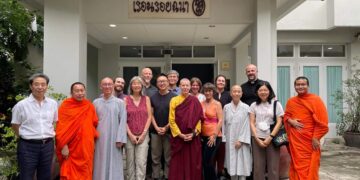
The BPOC Faculty (Jinji, Nida, & Youmin) experience a great sense of personal fulfillment and gratification in observing the benefit of integrating the ultimate view of our inherent basic goodness with the inevitable/historical causes and conditions of human suffering. As western mental health has immeasurably benefited from the influence of Buddhist perspectives in the last several decades, the professional trend in Asian mental health care has ironically succumbed to the earlier western medical model of psychiatric care: a culture of medical-based pathological diagnosis and pharmacological treatment with little to no relational connection of care. This is what motivated us to develop this program for South Asian and Southeast Asian caregivers.
Long Term Value of the BPOC Program: A Sangha of Compassionate and Skillful Bodhisattvas on the Path of Care
In addition to providing foundational material in Buddhist psychology, western counseling (neurobiology of trauma and reparative relationships, case conceptualization), embodied contemplative and mindfulness practices, caregiver self stewardship, and a variety of experiential practices (dyadic breakout groups, weekly peer groups, an internship program), the BPOC Program provides a community of ongoing consult and mentorship: an ongoing mentorship and support program, becoming program TA’s, Train-the-Trainer skills workshops, and becoming mentors to others. The BPOC online program makes community available with less travel costs, a smaller carbon footprint. Attendees will also have the chance to meet in person at various events IBCC runs throught the region.
Together, we will learn, practice, relate, and grow as a sangha on the bodhisattva path of care!