




Sri Lankan Participant #1
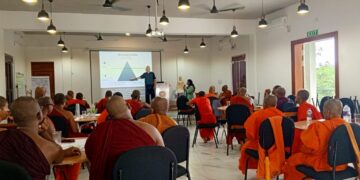
Attending the Death Workshop in Indonesia was a deeply transformative experience for me, both personally and professionally. As a lawyer and a mental health professional, I approach life and human experiences through the lenses of law, psychology, and compassion. This workshop offered a rare opportunity to reflect on mortality in a mindful and structured way, and it provided insights that have profoundly enriched my understanding of life.
Confronting the reality of mortality during the workshop brought remarkable clarity. It reminded me that life is not something to be taken for granted. Life is a short and precious journey, and it deserves to be lived with awareness, purpose, and meaning. This realization naturally leads to another important understanding: many of the worries and anxieties we carry about painful events and difficult moments in life are temporary. When we view life through the perspective of its finite nature, we learn to let go of unnecessary burdens and focus on what truly matters.
One of the most powerful reflections I experienced during the workshop was the realization that, in the end, neither material possessions nor even the people we often feel we cannot live without ultimately define our journey. Life, at its core, is a deeply personal path that each of us must walk alone. While we are fortunate to share our lives with many people along the way, the journey itself remains an individual one. Recognizing this truth encourages us to live with authenticity, responsibility, and inner peace rather than attachment and fear.
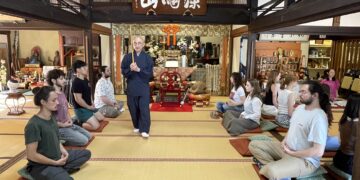
One of the aspects I particularly appreciated was the Zen meditation practice introduced during the program. The meditation sessions were calm, reflective, and grounding. They helped me reconnect with stillness and awareness, allowing me to align myself with a more peaceful and mindful way of living. These practices are not only beneficial on a personal level, but they are also valuable tools that I can integrate into my professional work with clients.
Another powerful learning experience was the discussion and guidance on supporting individuals who struggle with suicidal thoughts. In my work, I often encounter people who feel overwhelmed, hopeless, and emotionally exhausted. What I learned during the workshop reaffirmed something profoundly human: when a person feels worthless, helpless, or hopeless, the most powerful response we can offer is genuine warmth and compassionate presence. Sometimes it is not complex techniques but simple human warmth that creates the space for healing and hope.
The instructors facilitated the workshop with great skill, sensitivity, and authenticity. Their ability to guide participants through such a profound subject with care and wisdom was truly admirable. Every session reflected thoughtful preparation and deep understanding.
I am extremely grateful for the knowledge and perspective I gained from this experience. The insights I received will continue to support my work in legal and psychological advocacy and counselling in Sri Lanka. This workshop is not only an exploration of death; it is ultimately a powerful lesson on how to live a more conscious, compassionate, and meaningful life.
Pasadi Dias Samarasinghe
Myanmar Participant #1
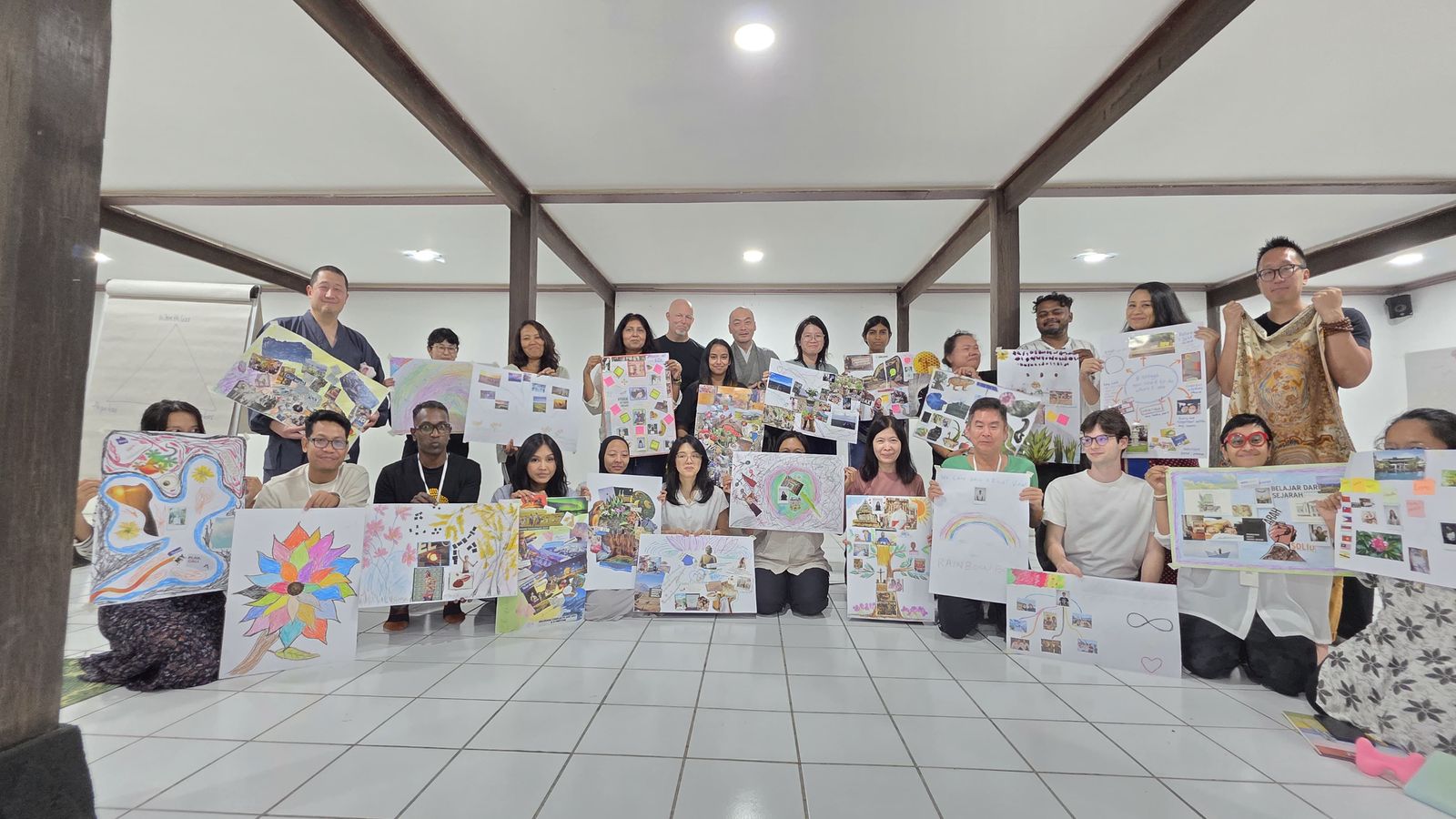
By attending this workshop, as a Christian I got a chance to learn about the perspective of death from Buddhism side. It helps me in widen my understanding level for the pain they suffer from losing their loved one and the fear they have about death. I also learnt about inner child theory and I started applying them for myself and it really helps me in healing my own wound and trauma from my past. I really enjoyed making vision board and give me a lot of ideas to apply back in my community. This workshop really moves my desire to learn more and apply back in my community. I feel like I may not be prefect or qualified but I can still a kind counselor or listener for everyone as we wrote on the card.
Many of the participants from other countries were not aware of what is currently happening in Myanmar, including the coup d’etata that happened in 2021. So, through conversations with them, I found myself sharing about Myanmar, and it made me feel that I was able to speak out for my country.
In terms of the training itself, it was not only beneficial for me personally but also very useful for my professional work. When the Japanese facilitators shared their experiences and the work they are doing, I gained new ideas that I could apply to my own community, along with valuable learning opportunities. I really liked the activities they introduced, such as creating vision boards and gathering in groups to share and write down key takeaway words. Sometimes, others were able to capture and express words that I couldn’t quite find within myself, which helped me discover those missing words. I found this very meaningful and plan to apply it in the future.
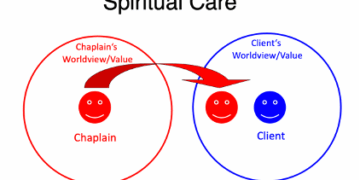
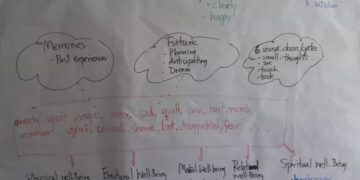
From Nida Shaikh’s counseling sessions, I not only learned counseling techniques but also Inner Child Theory. Previously, I lacked confidence and felt uncertain about pursuing counseling, but after this training, those fears and doubts have lessened. At the same time, I developed a stronger motivation to continue learning. She also taught that counseling is not about trying to “fix” others or rushing to provide solutions, but rather about having genuine curiosity and interest in their lives, and asking thoughtful questions.
Through this experience, I came to understand that in order to achieve emotional stability, discovering one’s inner strength is very important. Because of this, when people share their challenges with me, I now try to ask questions that help them find their own “power within”, and I also reflect the strengths that I see in them, putting this approach into practice.
If I were to name the most important lesson, I would say it was learning about Inner Child Theory. Although we only had one day for this topic and couldn’t cover it in depth, when I personally tried applying it, I found it to be very useful. I believe that if this knowledge could be shared with parents, it could help reduce the likelihood of emotional wounds in children as they grow up and support healthier and more nurturing parenting. For myself, I am also using this approach to gently care for and heal my own inner wounds, and I feel motivated to continue learning more about it.
I have been applying what I learned in my own life and also sharing it with people around me. In the future, I plan to share this knowledge with children and youth by using games and interactive methods. At the same time, I feel that I still need to continue learning and developing my understanding. I am also planning to share what I’ve learned with my colleagues at work.
The change I’ve experienced in myself is that I’ve learned how to care for and nurture my own inner child. I feel more motivated, and I’ve started exploring ways to turn my ideas for the future into reality. After the training, I made a decision to continue learning and developing myself. Over time, instead of making excuses or attributing my behaviors to past childhood wounds, I’ve come to accept that I can heal and grow from them, and that I have a responsibility to do so. This mindset has helped me become less driven by impulses and emotions.
Siang Za Lan
Myanmar Participant #2
I gained many useful insights from this training. On the first day, we learned about death. While creating the vision board, I also reflected on what I would want to leave behind in this world at my final breath, which inspired me to develop new perspectives about doing more good in life. On the second day, the sessions led by Rev. Takemoto Ryogo and Rev. Fujii Kazuha on suicide prevention were very valuable, and I was able to apply them within a sector of my organization. During the training, we also had the opportunity to practice the SOTTO Suicide Prevention role play ourselves, as demonstrated by the facilitators. Through this, I was able to listen attentively to individuals who were experiencing overwhelming emotions and felt the need to express them. I could also see that those individuals experienced a sense of relief and comfort. From the session with Nida Shaikh, I learned an important approach to listening — using the “spotlight” method on three key emotional states: feeling present but worthless, hopeless, or helpless. These three words have also helped me handle tensions calmly during meetings within my mother organization.
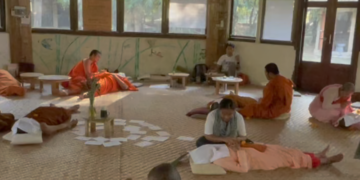
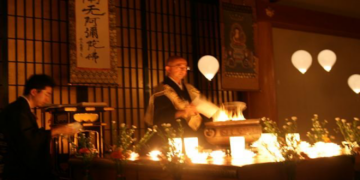
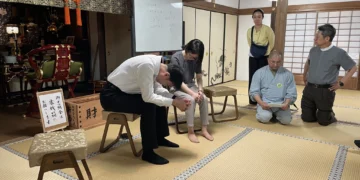
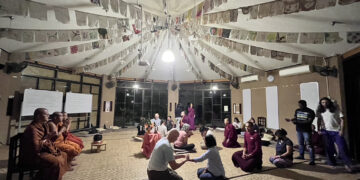
In terms of important lessons I can take away, on the first day, the Tabidachi death workshop led by Rev. Nemoto Jotetsu focused on our own mortality, the reality of death, and what people experience when they are nearing death. Through practical exercises, meditation practices, and various rituals, we were able to reflect on how human beings relate to death and to contemplate the reality of dying. There was also a moment where we explored what messages people might want to share before their final breath — with those they leave behind, those they have lost, and those who are facing death. This helped me gain a deeper understanding of the reality of death. Lying still and waiting for the moment of death felt extremely difficult. Reflecting on my past life and imagining the people I would leave behind was deeply saddening. During the exercise, as someone taking on the role of a dying person, holding the hand of a stranger beside me and speaking my final words was also very emotional. While the monk was chanting for the dying person, I even tried to hold my breath, which made the experience feel even more real. Death felt very difficult. It also made me hope that no matter how hard life may be, we will all continue to hold on and try our best to keep living. As a Christian, there were certain parts of the death-related exercises that I found challenging to fully participate in. I believe this may be due to differences in religious beliefs and practices.
From the Suicide Prevention for Buddhist Counselling sessions led by Rev. Takemoto Ryogo and Rev. Fujii Kazuha, I learned various practical exercises aimed at preventing suicide. The sessions focused on how monks build connections and listen to individuals who are struggling with suicidal thoughts. They demonstrated, through role-play, how to approach and communicate with someone who is considering suicide, as well as how they offer support and guidance. Their efforts showed that these methods can provide meaningful and effective help to those who are truly in need. When I tried practicing these approaches myself, I found it quite challenging and emotionally exhausting.
The Inner Child Theory session and exercises led by Nida Shaikh were also very engaging. However, during the pair work, I was reminded of an unpleasant childhood experience, which made it difficult for me to continue with the activity. Overall, the Inner Child Theory session and its exercises were the most challenging part of the training for me.
I have already started practicing some of the SOTTO suicide prevention lessons within my organization. I am also planning to share what I have learned as much as possible with my parent organization and the community around me. In 2023, I witnessed a close friend attempt suicide multiple times, and I was unable to help at the time. Because of that experience, I now feel a strong need to be more attentive and supportive, and not to overlook friends who may be struggling with mental health challenges. I also plan to attend more training to strengthen my ability to provide psycho-social support. Additionally, I will continue to seek opportunities to collaborate with Christian pastor groups involved in interfaith work.
The experiences I gained from the training became a source of strength for me about a month after it ended, even giving me reasons to keep going in life. During times when I received difficult news about my health, it helped me accept the situation calmly and motivated me to find ways to restore my well-being. I also found new reasons and motivation to contribute more to my community and society. When working with others, I have been able to listen and collaborate more effectively, applying the practices I learned during the training. Overall, I have noticed many positive changes in my mindset, emotions, thoughts, and attitudes.